
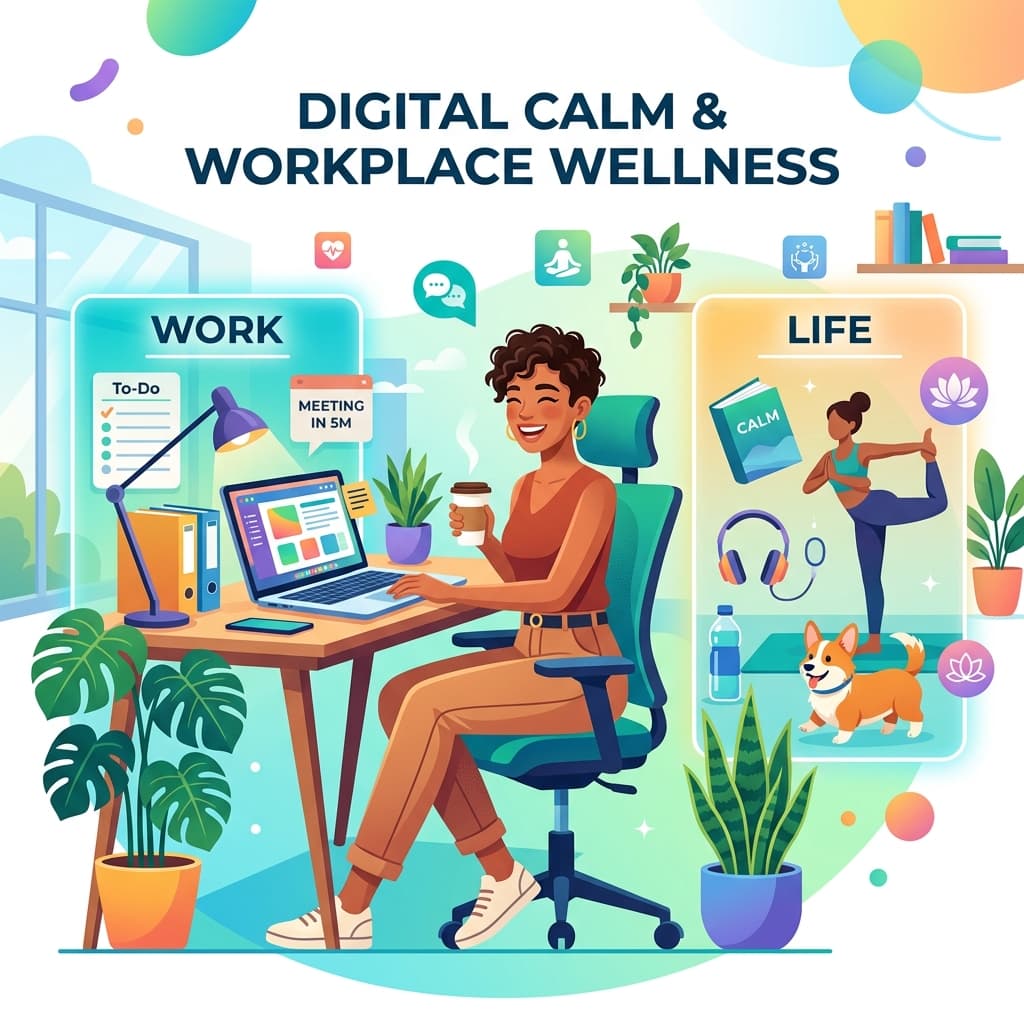
Generation Z is rapidly becoming the dominant force in the global workforce, bringing fresh perspectives, technological fluency, and an unwavering commitment to personal well-being. Unlike previous generations who often prioritized long corporate tenures, Gen Z employees are quick to switch jobs when workplaces fail to support their work-life balance. This trend toward frequent job changes—often labeled 'job-hopping'—is not merely about salary increases. It is a fundamental demand for psychological safety, flexible working conditions, and meaningful work. Understanding the root causes of this shift is essential for organizations aiming to build loyal, high-performing teams.
1. Why Gen Z Employees Switch Jobs
- Burnout & Toxic Hustle Culture - Unrealistic workload demands, constant connectivity expectations, and a lack of respect for personal hours drive mental exhaustion and push employees to seek healthier environments.
- Stagnant Growth & Pay Mismatches - When companies lack clear promotional pathways or fail to match inflation and skill growth with fair compensation, Gen Z professionals look externally for career acceleration.
2. The Quest for Flexibility & Purpose
- Rigid Return-to-Office Mandates - Digital-native professionals view remote and hybrid flexibility as a baseline requirement rather than a perk. Inflexible office policies trigger immediate turnover.
- Misalignment of Organizational Values - Gen Z seeks employers whose values align with diversity, sustainability, and authentic mental health support rather than superficial corporate slogans.
3. Effective Solutions to Improve Gen Z Retention
- Outcome-Based Work Models - Shift focus from rigid hours logged at a desk to tangible impact and outcomes delivered, empowering employees to manage their personal schedules effectively.
- Transparent Career Pathways & Mentorship - Provide clear skill-upgrading opportunities, regular milestone check-ins, and dedicated mentorship programs that map out visible career growth.
4. Fostering a Culture of Well-Being
- Empathetic Leadership & Open Feedback - Train managers to actively listen, recognize early signs of burnout, and conduct regular 1-on-1 conversations where feedback flows both ways without fear of retaliation.
- Comprehensive Mental Health Benefits - Offer tangible wellness support, mandatory disconnected time off, and quiet hours to protect work-life balance as a fundamental workplace standard.
Conclusion
Retaining Gen Z talent requires moving beyond outdated workplace norms and embracing a modern, human-centric management approach. By establishing clear work-life boundaries, fostering open growth pathways, and respecting employee well-being, companies can transform turnover into long-term organizational stability and success.