
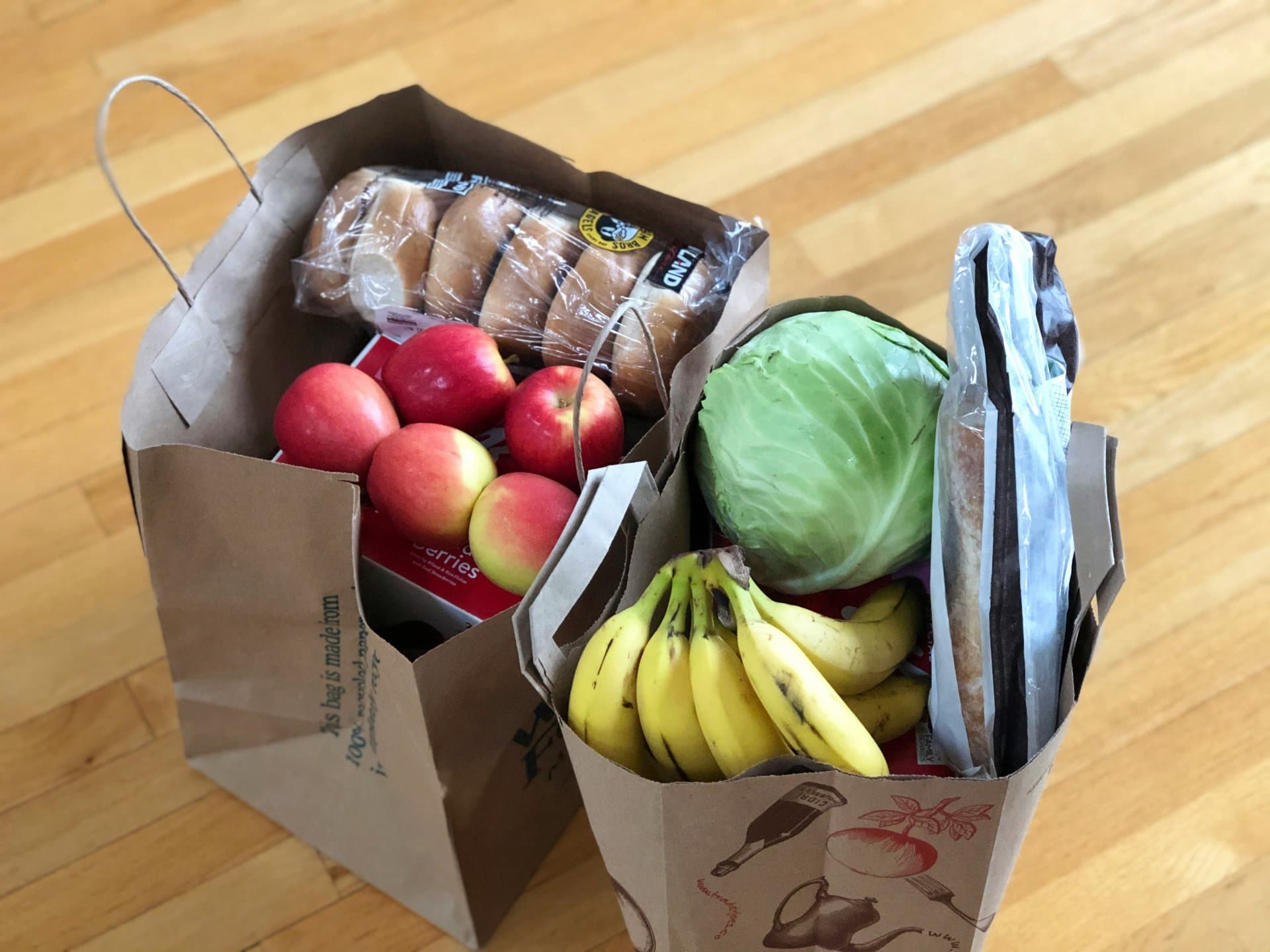
The promise of getting groceries delivered in 10 minutes has completely disrupted urban retail. Quick commerce (q-commerce) apps have transformed from a luxury into a daily habit for millions, offering unparalleled convenience at the tap of a screen. However, behind the flashy UI and the army of speeding delivery riders lies a profound socio-economic shift. The rapid rise of dark stores is directly threatening the survival of traditional neighborhood mom-and-pop shops, commonly known as Kirana stores in India. This convenience comes with a severe local cost.
1. The Existential Threat to Kiranas
- Unmatched Capital - Q-commerce startups operate on massive venture capital, allowing them to offer deep discounts and absorb losses to acquire customers—a luxury small store owners do not have.
- Changing Consumer Habits - The psychological shift towards instant gratification means consumers are less likely to walk down the street to support a local vendor, severing long-standing community ties.
2. The Broader Socio-Economic Impact
- Employment Quality - While q-commerce creates jobs, they are often high-stress gig economy roles with poor safety nets. Riders are pressured to meet dangerous delivery timelines through heavy city traffic.
- Community Fabric - Kirana stores are often community hubs where neighbors interact and credit is extended based on trust. The shift to dark stores replaces human relationships with cold, transactional efficiency.
Conclusion
While 10-minute delivery is a marvel of modern logistics, it requires us to reflect on our consumption habits. If we want to preserve the rich, interconnected fabric of our local neighborhoods, we must find a balance between the allure of instant convenience and the support of traditional community businesses.